
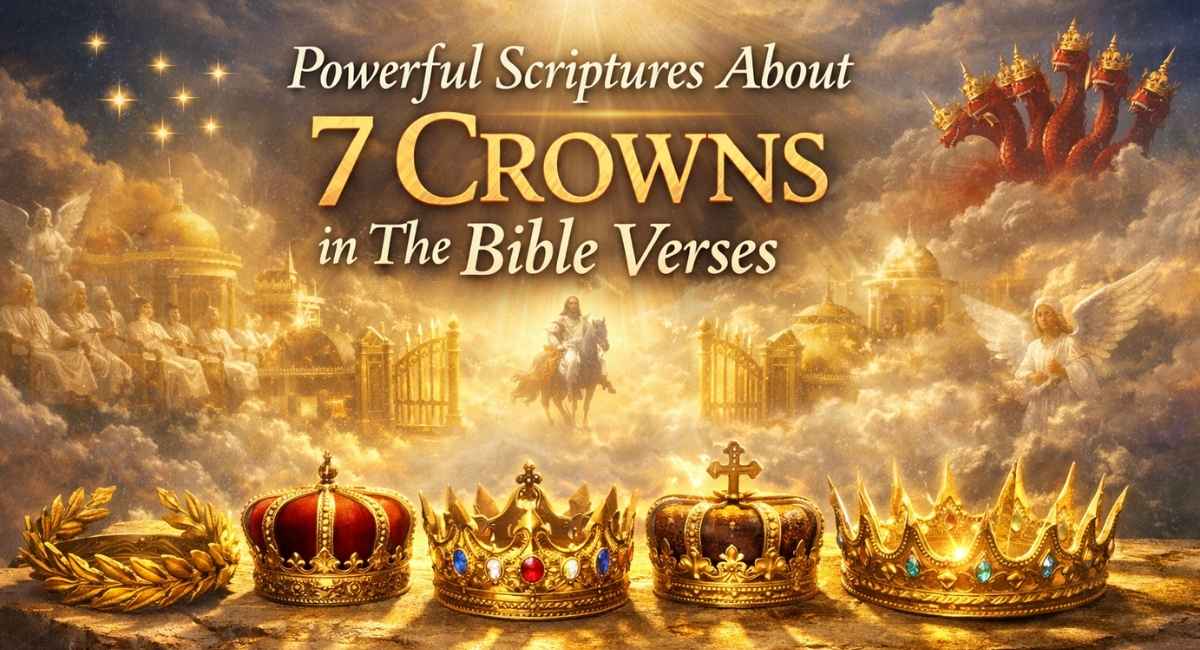
The question of eternal rewards stirs something deep within the Christian heart. We long to hear “well done, good and faithful servant,” yet we wonder what awaits us beyond this life. Scripture speaks with clarity and tenderness about crowns that believers may receive, not as payment for salvation, which is by grace alone through faith, but as rewards for how we walk with Christ after coming to know Him.
These crowns are not earned through our own strength but forged through faithfulness to the One who first loved us. They represent what God values in a life surrendered to Him: endurance through suffering, passionate witness, holy longing for Christ’s return, faithful shepherding, and steadfast perseverance. Understanding these biblical crowns helps us fix our eyes on what truly matters and run our race with purpose, knowing our labor in the Lord is never in vain.
Understanding Biblical Crowns: Foundation and Context
In the ancient world, two Greek words for crown carried distinct meanings that illuminate Scripture’s teaching. The stephanos was a victor’s wreath, woven from olive branches or laurel leaves, awarded to athletes who won competitions and soldiers who showed valor. This perishable crown symbolized achievement and honor. The diadema, by contrast, was a royal crown denoting sovereignty and kingly authority.
When the New Testament speaks of rewards for believers, it consistently uses stephanos, the victor’s crown. These are not symbols of rulership we demand but garlands of honor Christ awards to those who finish well. They testify not to our greatness but to His grace working through yielded lives.
Scripture distinguishes clearly between salvation and rewards. Salvation is a gift received by faith alone in Christ alone, never earned by works. As Paul writes, “For by grace you have been saved through faith, and that not of yourselves; it is the gift of God, not of works, lest anyone should boast” (Ephesians 2:8-9). No crown can purchase entry into heaven.
Yet the Bible also teaches that believers will give an account for their lives after salvation. How we steward our time, gifts, opportunities, and suffering matters eternally. God graciously promises to remember and reward faithfulness, even the smallest acts done in loving obedience. These crowns are expressions of His fatherly delight in His children who walked closely with Him, not wages we demand but gifts He joyfully bestows.
The Judgment Seat of Christ
Every believer will one day stand before Christ at what Scripture calls the judgment seat, or bema. This is not a courtroom where our eternal destiny hangs in doubt, for those in Christ have already passed from death to life. Rather, it is an evaluation where our deeds are tested and refined, where wood, hay, and stubble burn away, but gold, silver, and precious stones endure.
This moment should not terrify the Christian but sober us. The same gracious Savior who bled for our sins will examine how we lived in response to His love. Did we build on the foundation of Christ with lasting materials? Did we serve from pure motives or seek human applause? The fire of His holiness will reveal what was truly done for His glory.
God’s Judgment of His People
God’s judgment of His children flows from love, not condemnation. He disciplines those He loves, correcting and refining us both in this life and in the evaluation to come. His justice is always mingled with mercy, His assessment always perfectly fair. He sees not only our actions but the motives behind them, the struggles we faced, the weakness we battled.
The Lord knows when we served in secret with no earthly recognition. He remembers the prayers whispered in darkness, the kindness shown when no one noticed, the temptation resisted when defeat seemed certain. His judgment is not harsh scrutiny but the loving gaze of a Father who delights to honor faithfulness, however faltering.
2 Corinthians 5:10 – The Judgment Seat of Christ
“For we must all appear before the judgment seat of Christ, so that each of us may receive what is due us for the things done while in the body, whether good or bad.”
Paul writes with apostolic clarity: every believer will stand before Christ. The word “must” leaves no exception. This appearing is universal for those who belong to Jesus. Yet notice the focus is not on sins already forgiven at the cross, but on deeds done in the body, the stewardship of our earthly lives.
“Good or bad” here refers not to moral perfection, which none possess, but to things worthwhile or worthless, lasting or temporary. The judgment seat reveals what endures. Some will receive rich rewards; others will suffer loss, though they themselves will be saved, yet as through fire (1 Corinthians 3:15). This should move us neither to fear nor presumption, but to vigilant faithfulness.
We live now in light of that day. How differently we would spend our hours if we truly grasped that each one matters eternally. The judgment seat of Christ is not meant to paralyze us with anxiety but to awaken us to purposeful living, storing up treasures in heaven rather than clinging to what moths and rust destroy.
7 Crowns in the Bible Verses – The Victor’s Crown
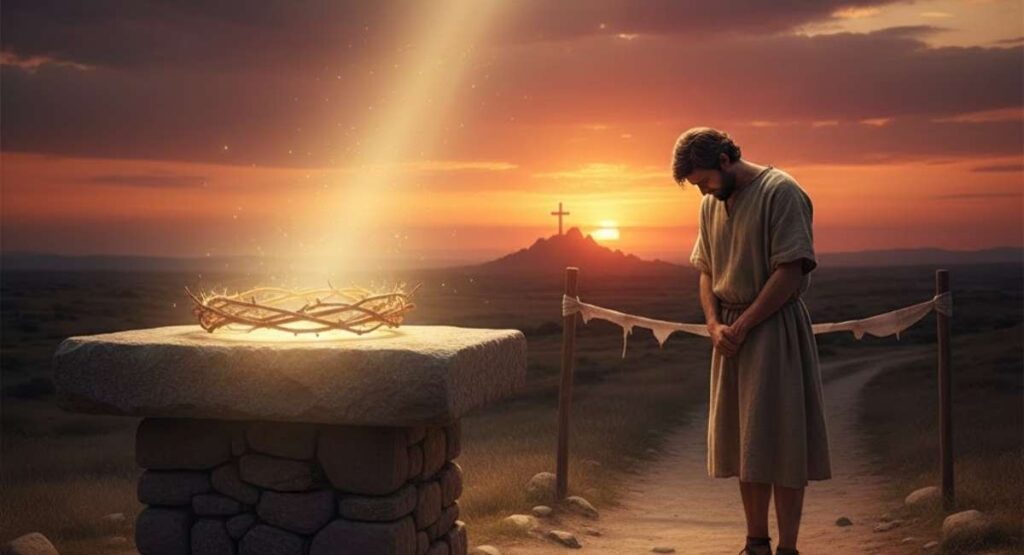
The victor’s crown, or stephanos, appears throughout Paul’s writings as the prize awaiting those who run the Christian race with discipline and determination. This imperishable crown stands in stark contrast to the perishable wreaths ancient athletes pursued with such fervor. If they disciplined their bodies and denied themselves for a crown of leaves that withered within days, how much more should we pursue eternal glory?
Paul uses athletic imagery not to promote works-based salvation but to emphasize the need for intentional, focused Christian living. Salvation is by grace; the crown is for faithful stewardship of that grace. The victor’s crown belongs to those who deny themselves, take up their cross daily, and follow Christ with wholehearted devotion, refusing to let the flesh master them.
1 Corinthians 9:25-27 – The Eternal Crown
“Everyone who competes in the games goes into strict training. They do it to get a crown that will not last, but we do it to get a crown that will last forever. Therefore I do not run like someone running aimlessly; I do not fight like a boxer beating the air. No, I strike a blow to my body and make it my slave so that after I have preached to others, I myself will not be disqualified for the prize.”
Paul’s words pulse with urgency. Ancient athletes submitted to rigorous training, denying themselves pleasures, disciplining their bodies with relentless focus. Their prize was temporary fame and a withering wreath. How tragic if Christians, pursuing an eternal crown, live with less intentionality than those chasing shadows.
The apostle confesses his own struggle. “I strike a blow to my body and make it my slave.” This is not self-hatred but holy self-governance. Paul refuses to let fleshly desires dictate his choices. He runs with purpose, not aimlessly. He fights with precision, not shadowboxing. Every spiritual discipline, every no to sin, every yes to obedience moves him toward the prize.
Most sobering is Paul’s concern about disqualification. Not loss of salvation, for nothing can separate us from God’s love in Christ, but potential loss of reward. Even this great apostle felt the danger of becoming a castaway regarding the prize after preaching to others. If Paul needed such vigilance, how much more do we?
The call here is to Christian perseverance and endurance. Run your race. Fight your fight. Discipline your body. Live with eternity in view. The crown awaits those who finish, not merely those who start well.
7 Crowns in the Bible Verses – The Crown of Rejoicing
Few rewards in eternity will bring more joy than seeing people we pointed toward Christ standing in His presence. The crown of rejoicing, sometimes called the soul-winner’s crown, belongs to those who faithfully share the gospel and disciple others. This crown is not for professional evangelists alone but for every believer who cares enough about eternal souls to speak of Jesus.
Paul treasured the converts God gave him through his ministry. He called them his joy and crown, his glory in the presence of Christ. Their salvation was not his achievement but God’s work through his faithful witness. Yet God graciously promises to reward those who participate in His redemptive purposes by proclaiming the good news.
1 Thessalonians 2:19 – People Are Part of the Crown of Rejoicing
“For what is our hope, our joy, or the crown in which we will glory in the presence of our Lord Jesus when he comes? Is it not you?”
Paul poses a rhetorical question that reveals his heart. When he stands before Jesus, what will bring him the greatest joy? Not personal achievements or accolades, but the Thessalonian believers themselves. They are his hope, joy, and crown of boasting when Christ returns.
This shows us what truly matters. Not the size of our bank accounts, the prestige of our careers, or the applause of crowds, but people brought into God’s kingdom through our witness. The eternally significant work is helping others come to know Jesus and grow in Him. Every conversation about Christ, every act of hospitality that creates space for the gospel, every prayer for the lost has eternal weight.
The crown of rejoicing reminds us that we take nothing material into eternity, but we may bring people. Our investments in evangelism and discipleship yield returns that last forever. The quiet Bible study leader, the faithful witness at work, the parent praying for prodigal children all labor for this crown.
Philippians 4:1 – People Make Up The Crown of Rejoicing
“Therefore, my brothers and sisters, you whom I love and long for, my joy and crown, stand firm in the Lord in this way, dear friends!”
Again Paul identifies believers as his joy and crown. Notice the tenderness: “you whom I love and long for.” His affection for them runs deep. They are not projects or statistics but beloved souls for whom he labors and prays. Their spiritual stability brings him joy; their perseverance will be his crown.
The phrase “stand firm in the Lord” follows naturally. Paul’s concern is not merely their initial conversion but their ongoing faithfulness. He invests in their growth, warns them of dangers, encourages their endurance. This is the heart of ministry that receives the crown of rejoicing: loving people enough to help them finish well.
For us, this means evangelism without discipleship is incomplete. We must not only share Christ but help new believers root deeply in Him. We invest time, share life, pray earnestly, and speak truth in love. When those we disciple stand firm in trials and remain faithful to Christ, our hearts rejoice, and we store up eternal reward.
7 Crowns in the Bible Verses – The Crown of Righteousness
The crown of righteousness awaits all who love Christ’s appearing. This is not self-righteousness, which God abhors, but the righteousness imputed to us through faith and demonstrated through holy longing for our Savior’s return. Those who eagerly await Jesus, living in light of His coming, will receive this crown from the righteous Judge.
Paul wrote of this crown as death approached, confident that his life of faithfulness would be rewarded. Yet he immediately clarifies this crown is not his alone but belongs to all who love Christ’s appearing. The distinguishing mark is not perfect obedience, which none achieve, but passionate desire for Jesus Himself.
2 Timothy 4:8 – The Crown For Those Who Love Christ’s Appearing
“Now there is in store for me the crown of righteousness, which the Lord, the righteous Judge, will award to me on that day, and not only to me, but also to all who have longed for his appearance.”
Paul faces execution, yet his words overflow with confidence and hope. He has fought the good fight, finished the race, kept the faith. Now awaits the crown of righteousness, a reward laid up for him by the righteous Judge. The same Jesus who will evaluate all believers will personally award this crown to His faithful servant.
The beauty of this verse is its inclusivity. “Not only to me, but also to all who have longed for his appearance.” This crown is not reserved for apostles or spiritual giants but for every believer whose heart yearns for Jesus to return. Do you long for Him? Does His appearing thrill you or frighten you? Your answer reveals much about your walk with Him.
Those who love Christ’s appearing live differently. They hold earthly things loosely, knowing He could return at any moment. They pursue holiness, wanting to be found faithful when He comes. They watch and pray, discerning the times, ready like wise virgins with oil in their lamps. This crown rewards not mere correct theology about the Second Coming but heartfelt longing for the Person Himself.
1 Timothy 6:12 – Encouragement To Fight The Good Fight
“Fight the good fight of the faith. Take hold of the eternal life to which you were called when you made your good confession in the presence of many witnesses.”
Paul exhorts Timothy to fight the good fight of faith. The Christian life is warfare, not passive existence. We fight against sin, the world, the flesh, and the devil. We fight to believe when doubt assaults us, to obey when temptation entices us, to persevere when weariness threatens to overwhelm us.
“Take hold of the eternal life to which you were called.” This is not striving to earn salvation but actively embracing and living out the eternal life already given us. We were called to eternal life when we believed; now we must walk in its reality. The good confession we made publicly at conversion must shape our daily choices.
Fighting the good fight prepares us to receive the crown of righteousness. It demonstrates genuine love for Christ and longing for His appearing. Those who drift through the Christian life, half-hearted and distracted, show little desire for Jesus to return. But those who fight for holiness, battle unbelief, and press forward in faith reveal hearts that truly long for their Savior’s coming.
7 Crowns in the Bible Verses – The Crown of Life
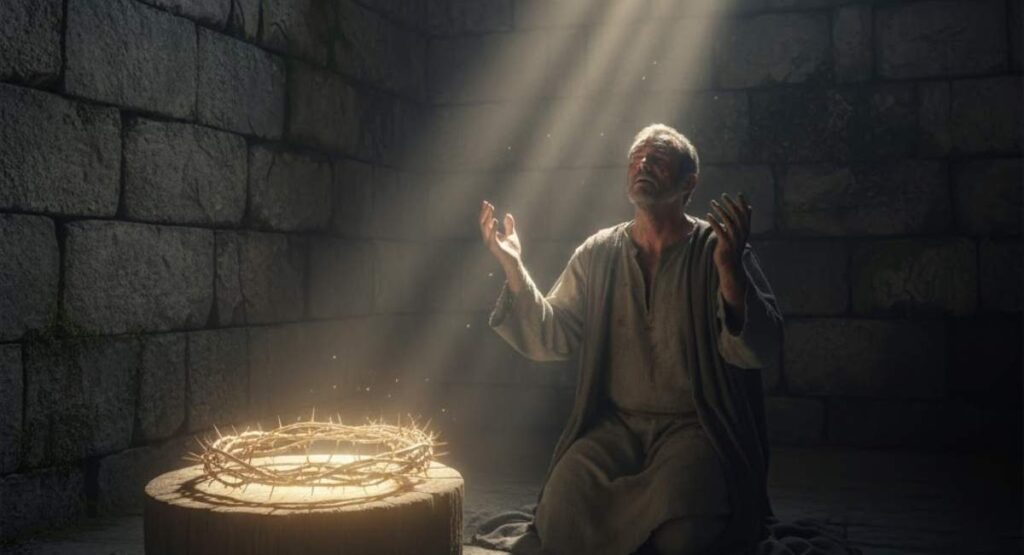
The crown of life is promised to those who endure trials and remain faithful even unto death. This is the martyr’s crown, though not exclusively. All who persevere through suffering for Christ’s sake, who love Him enough to face persecution, hardship, and even death without renouncing Him, will receive this crown of ultimate faithfulness.
James and John both speak of this crown, connecting it to patient endurance through trials and loyal devotion in the face of death. Throughout church history, countless believers have treasured these promises as they faced lions, flames, swords, and countless forms of brutality for refusing to deny Christ. The crown of life awaits them.
James 1:12 – Endure Temptation To Earn A Crown
“Blessed is the one who perseveres under trial because, having stood the test, that person will receive the crown of life that the Lord has promised to those who love him.”
James pronounces blessing on those who persevere under trial. Trials test our faith like fire refines gold. They reveal whether our profession of faith is genuine or superficial. Those who stand the test, who keep believing and obeying even when circumstances scream otherwise, demonstrate authentic love for God.
The crown of life is promised “to those who love him.” Love for God is proven not primarily through emotional feelings but through faithful obedience during hardship. Anyone can claim to love Christ when life is comfortable, but enduring suffering without bitterness or apostasy reveals hearts truly devoted to Him.
Notice this crown is both reward and gift. It is reward for faithfulness in suffering, yet it is promised by the Lord’s grace to those who love Him. We don’t earn God’s love through endurance; rather, genuine love for Him produces endurance. The crown acknowledges what His grace accomplished in us through trials.
For believers facing hardship today, this promise brings hope. Your suffering is not meaningless. God sees every tear, every moment of anguish, every choice to trust Him when trusting feels impossible. He will remember. He will reward. The crown of life awaits.
Revelation 2:10 – Be Faithful To Death
“Do not be afraid of what you are about to suffer. I tell you, the devil will put some of you in prison to test you, and you will suffer persecution for ten days. Be faithful, even to the point of death, and I will give you life as your victor’s crown.”
Jesus speaks tenderly to the suffering church in Smyrna. He knows what awaits them, yet His first words are “Do not be afraid.” Fear is natural when facing persecution, but faith in Christ casts out fear. The same Lord who warns them of coming suffering promises to walk with them through it.
“Be faithful, even to the point of death.” This is the ultimate test of discipleship. Will we love Jesus more than life itself? Countless believers throughout history have answered yes, choosing torture and execution over denying their Savior. Their blood cries out that Christ is worth more than breath itself.
The promise is stunning: “I will give you life as your victor’s crown.” Those who lose their physical lives for Christ’s sake receive eternal life as their crown. Death for Jesus is not loss but gain. The martyrs exchanged temporary life for eternal glory, momentary suffering for everlasting joy.
Most believers will never face literal martyrdom, but all face daily choices between faithfulness and compromise. The same spirit that strengthened martyrs must animate our smaller sacrifices. Will we remain faithful in suffering? Will we witness boldly despite potential cost? The crown of life awaits all who choose Christ over comfort.
Acts 7:59-60 – The Stoning of Stephen
“While they were stoning him, Stephen prayed, ‘Lord Jesus, receive my spirit.’ Then he fell on his knees and cried out, ‘Lord, do not hold this sin against them.’ When he said this, he fell asleep.”
Stephen became Christianity’s first martyr, and his death powerfully demonstrates faithfulness unto death. As stones crushed his body, he prayed with remarkable grace. His first prayer was for himself: “Lord Jesus, receive my spirit.” He entrusted his soul to the Savior he loved. His second prayer was for his murderers: “Lord, do not hold this sin against them.” Like his Master, Stephen died forgiving those who killed him.
Luke’s tender description, “he fell asleep,” reflects Christian confidence that death is but temporary rest before resurrection. Stephen’s spirit went immediately to Jesus, while his body awaited future glorification. He received the crown of life, standing now in the presence of the One he loved more than life itself.
Stephen’s example inspires us. If he could face such brutal death with faith and forgiveness, surely we can endure lesser trials with grace. His courage came not from natural strength but from being filled with the Holy Spirit and gazing upon Jesus. When we fix our eyes on Christ, even death loses its terror.
7 Crowns in the Bible Verses – The Crown of Glory
The crown of glory is specifically promised to faithful shepherds who lead God’s people with pure motives and Christlike character. This is the pastor’s crown, though it extends to all who exercise spiritual oversight with humility and sacrificial love. Those who serve God’s flock willingly, not under compulsion, eagerly rather than for dishonest gain, will receive this unfading crown.
Peter, himself a shepherd who learned costly lessons about faithful leadership, writes with authority about this reward. He has experienced both the shame of denying Christ and the grace of restoration. Now he exhorts fellow elders to shepherd faithfully, knowing the Chief Shepherd will soon appear to reward their service.
1 Peter 5:1-4 – The Pastor’s Crown
“To the elders among you, I appeal as a fellow elder and a witness of Christ’s sufferings who also will share in the glory to be revealed: Be shepherds of God’s flock that is under your care, watching over them, not because you must, but because you are willing, as God wants you to be; not pursuing dishonest gain, but eager to serve; not lording it over those entrusted to you, but being examples to the flock. And when the Chief Shepherd appears, you will receive the crown of glory that will never fade away.”
Peter writes as a fellow elder, not from superiority but from shared experience. He witnessed Christ’s sufferings and will share in His glory. This positions him to exhort other leaders with both authority and empathy. He knows the challenges of shepherding and the temptations leaders face.
“Be shepherds of God’s flock that is under your care.” The flock belongs to God, not the undershepherds. Leaders are stewards, accountable to the Chief Shepherd for how they care for His sheep. This truth should humble every pastor and elder, removing any sense of ownership or entitlement.
Peter outlines how to shepherd faithfully. First, serve willingly, not under compulsion. Ministry must flow from genuine calling and love, not mere duty or external pressure. Second, serve eagerly, not for dishonest gain. Leaders motivated primarily by money or status will fail to shepherd well. Third, serve as examples, not lording authority over people. True spiritual authority comes through Christlike character, not domineering control.
The reward is “the crown of glory that will never fade away.” Unlike earthly recognition that withers, this crown endures forever. Faithful shepherds who serve with pure hearts, often unrecognized and underappreciated in this world, will receive eternal glory from Christ Himself.
This crown encourages every pastor, elder, small group leader, and spiritual mentor. Your faithful service matters eternally. The sleepless nights praying for struggling sheep, the hospital visits, the patient counseling, the preparation of life-giving teaching, all will be remembered and rewarded. The Chief Shepherd sees and will honor your labor of love.
7 Crowns in the Bible Verses – Crowns in the Book of Revelation
The book of Revelation unveils heavenly realities often hidden from earthly view. Among its rich symbolism, crowns appear repeatedly, representing authority, honor, and reward. The vision John receives shows us crowns in heaven and helps us understand their eternal significance. These images should lift our hearts in worship and strengthen our resolve to live faithfully.
Revelation 4:4 – The 24 Gold Crowns In Heaven
“Surrounding the throne were twenty-four other thrones, and seated on them were twenty-four elders. They were dressed in white and had crowns of gold on their heads.”
John’s vision of heaven’s throne room reveals twenty-four elders seated on thrones, wearing white garments and golden crowns. Much debate surrounds the identity of these elders. Some see them representing the twelve tribes of Israel and twelve apostles, symbolizing all the redeemed. Others view them as angelic beings. Regardless of their specific identity, they clearly hold positions of honor and authority in God’s presence.
The white garments speak of purity and righteousness, whether Christ’s righteousness imputed to believers or the inherent holiness of heavenly beings. The golden crowns signal that they have been honored and rewarded. They sit on thrones, suggesting they participate in God’s rule, fulfilling promises that believers will reign with Christ.
This scene should encourage every faithful Christian. Heaven is not eternal boredom but active participation in God’s glorious purposes. Those who overcome will sit with Christ on His throne, sharing in His authority and glory. The crowns these elders wear may represent the very rewards promised to faithful believers.
Revelation 4:10-11 – The Elders Cast Their Crowns To Christ
“The twenty-four elders fall down before him who sits on the throne and worship him who lives for ever and ever. They lay their crowns before the throne and say: ‘You are worthy, our Lord and God, to receive glory and honor and power, for you created all things, and by your will they were created and have their being.'”
The twenty-four elders do something stunning with their crowns: they cast them before God’s throne in worship. This act overflows with meaning. Whatever honor they have received, whatever authority they possess, whatever rewards they have earned, all ultimately belongs to God. They acknowledge that He alone is worthy of glory, honor, and power.
Their worship declares profound truth: God created all things by His will. Everything exists because He chose to create it. All glory flows from Him and returns to Him. The elders recognize that even their crowns, their positions, their very existence depends on His creative and sustaining power.
This scene should shape how believers think about eternal rewards. We do not earn crowns to boast over them or hoard them as personal achievements. Rather, we receive them from God’s grace and joyfully return them to Him in worship. The crowns are not ends in themselves but means of bringing greater glory to Christ.
Imagine standing before the throne, holding whatever crowns God has graciously awarded you, and then laying them at Jesus’ feet, declaring Him worthy. This is the highest purpose of heavenly rewards: not to exalt ourselves but to have something precious to offer back to the One who gave us everything. Our crowns become our worship offerings.
7 Crowns in the Bible Verses – Locusts With Golden Crowns
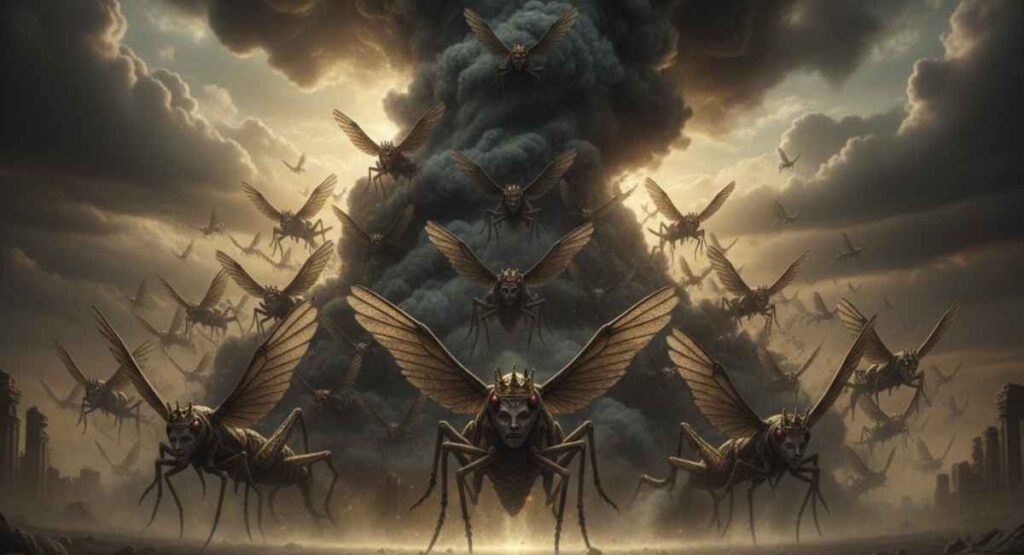
Revelation’s apocalyptic imagery includes strange and terrifying visions intended to communicate spiritual realities. Among these are locusts wearing what appeared like golden crowns. This disturbing image carries significant meaning about demonic power and God’s sovereign control even over forces of evil.
Revelation 9:7 – Demonic Locusts With Crowns
“The locusts looked like horses prepared for battle. On their heads they wore something like crowns of gold, and their faces resembled human faces.”
John describes locusts emerging from the abyss, clearly demonic forces rather than literal insects. They wear “something like crowns of gold,” suggesting apparent authority and power. Yet note the qualifier: “something like.” These are not true crowns but imitations, counterfeits of real authority.
These demonic locusts have power to torment, but their authority is limited and temporary. They cannot kill, only torment for a specified period. They cannot touch those sealed by God. Despite their crown-like appearance suggesting authority, they remain under God’s absolute control, permitted to act only within boundaries He sets.
This vision reminds us that Satan and his forces possess delegated, limited authority. They may appear powerful, wearing symbols of rule, but their reign is temporary and constrained. The one true King reigns sovereignly over all, including the forces of darkness. No evil power can exceed the limits God establishes.
For believers facing spiritual warfare, this brings comfort. The enemy may torment, but he cannot destroy those belonging to Christ. His apparent authority is illusion; God’s authority is absolute. We need not fear demonic forces, for greater is He who is in us than he who is in the world.
The 7 Crowns of the Great Red Dragon
The great red dragon appearing in Revelation represents Satan in his rebellion against God. The seven crowns on his seven heads symbolize his claim to earthly power and authority over world systems. Yet his crowns, like those of the locusts, are temporary and destined for defeat. Understanding this symbol helps us see Satan’s true nature and ultimate fate.
Revelation 12:3 – The Only Verse About 7 Crowns
“Then another sign appeared in heaven: an enormous red dragon with seven heads and ten horns and seven crowns on its heads.”
This is the only verse explicitly mentioning seven crowns together, and significantly, they belong to the dragon, identified as Satan in verse 9. The seven heads likely represent completeness in earthly power and knowledge. The seven crowns symbolize his claim to rule over earthly kingdoms and systems.
Yet these are diadems, royal crowns of rulership, not stephanos, victor’s wreaths of reward. Satan claims kingly authority he does not legitimately possess. He is the usurper, the deceiver, the pretender to a throne that belongs to Christ alone. His crowns represent stolen, temporary power over a fallen world.
The number seven often symbolizes completeness in Scripture. Satan’s seven crowns suggest his comprehensive influence over earthly kingdoms and systems opposed to God. He is indeed “the god of this world” (2 Corinthians 4:4) and “the prince of the power of the air” (Ephesians 2:2). Yet his reign is neither absolute nor eternal.
This vision reminds us that Satan possesses real but limited power. He influences governments, cultures, and individuals. He blinds minds and captures hearts. Yet his authority exists only by divine permission and will be utterly crushed when Christ returns in glory. Every crown Satan wears will be stripped away.
Revelation 12:7-9 – Victory In Heaven
“Then war broke out in heaven. Michael and his angels fought against the dragon, and the dragon and his angels fought back. But he was not strong enough, and they lost their place in heaven. The great dragon was hurled down, that ancient serpent called the devil, or Satan, who leads the whole world astray. He was hurled to the earth, and his angels with him.”
Despite Satan’s crowns and apparent power, he is decisively defeated in heavenly warfare. Michael the archangel and his angels overcome the dragon and his forces. The outcome is not in doubt; Satan “was not strong enough.” His rebellion fails, and he is cast down from heaven to earth.
Notice how clearly Satan is identified: “that ancient serpent called the devil, or Satan, who leads the whole world astray.” This is the same serpent who deceived Eve in Eden, the same accuser who torments believers, the same liar who blinds unbelievers. His primary tactic is deception, leading the world astray from truth.
Though Satan is cast to earth, his time is short and his fate sealed. He knows this and rages accordingly, but believers need not fear. Greater is He who is in us than he who is in the world. Satan’s crowns are temporary trinkets compared to Christ’s many crowns of rightful sovereignty.
This passage encourages Christians facing spiritual attack. Yes, we battle a powerful enemy. Yes, Satan has temporary authority in this fallen world. But his defeat is certain. Christ has already crushed the serpent’s head at Calvary. Soon Satan will be bound, then cast into the lake of fire forever. Victory belongs to the Lamb and those who follow Him.
7 Crowns in the Bible Verses – The Beast with Crowns
Another crowned figure appears in Revelation: the beast from the sea. This represents the Antichrist, Satan’s final human agent who will rule the world with blasphemous authority during the tribulation. The crowns on this beast reveal Satan’s strategy of working through human governments and leaders to oppose God’s purposes.
Revelation 13:1 – The Crowned Beast
“The dragon stood on the shore of the sea. And I saw a beast coming out of the sea. It had ten horns and seven heads, with ten crowns on its horns, and on each head a blasphemous name.”
The beast emerges from the sea, often symbolizing turbulent nations and peoples. It bears ten crowns on its ten horns, representing ten kings or kingdoms that give their authority to the beast. These are royal crowns (diadems), signifying governmental power and political authority.
Notice the blasphemous names on its heads. This beast openly defies God, claiming divine honors for itself. The Antichrist will demand worship, set himself up in God’s temple, and persecute believers with savage intensity. His reign, empowered by Satan, will be the culmination of humanity’s rebellion against God.
Yet his ten crowns pale in comparison to Christ’s many crowns. His authority, though terrifying, is temporary and limited. The beast’s reign lasts only 42 months, after which Christ returns to destroy him utterly. No matter how powerful earthly rulers become, no matter how completely they seem to dominate, their authority is derivative and temporary.
For believers living in increasingly hostile cultures, this vision provides perspective. Yes, evil may seem ascendant. Governments may oppose God. Leaders may blaspheme and persecute. But their crowns will be stripped away when the King of Kings appears. Our call is to remain faithful, refusing to worship the beast or receive his mark, trusting that Christ’s victory is certain.
7 Crowns in the Bible Verses – The One with Many Crowns
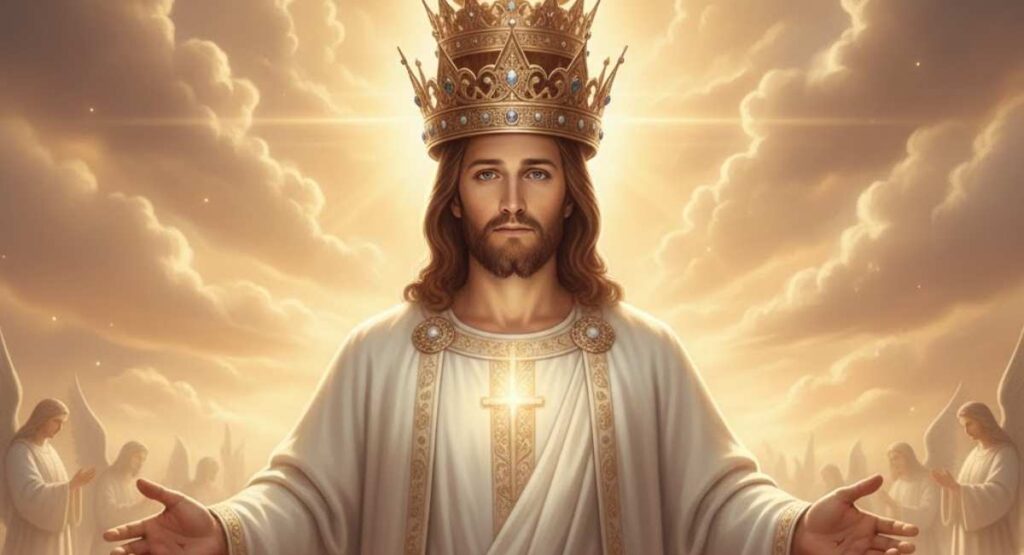
In glorious contrast to the dragon’s seven crowns and the beast’s ten crowns stands Jesus Christ wearing many crowns. This image captures His absolute sovereignty and supreme authority over all creation, all powers, all kingdoms. He alone is worthy of worship, He alone reigns with legitimate authority, He alone will triumph completely.
Revelation 19:11&12 – Crown Christ With Many Crowns!
“I saw heaven standing open and there before me was a white horse, whose rider is called Faithful and True. With justice he judges and wages war. His eyes are like blazing fire, and on his head are many crowns. He has a name written on him that no one knows but he himself.”
Jesus returns as conquering King, riding a white horse in victory. His very names declare His character: Faithful and True. Unlike Satan, the deceiver, Jesus is utterly trustworthy. His judgments are just, His warfare righteous. He comes to make all things right, to punish evil, to establish His kingdom forever.
His eyes blaze like fire, seeing all, penetrating every heart, exposing every secret. Nothing escapes His gaze. Those who have hidden sin will find it revealed; those who suffered in secret for His name will find it remembered. Perfect justice and perfect mercy meet in His person.
Most significantly, “on his head are many crowns.” Not seven like the dragon. Not ten like the beast. Many crowns, countless diadems, representing His supreme and universal authority. Every knee will bow before Him, every crown of earthly power will acknowledge His supremacy. He is King of kings and Lord of lords.
The mystery name written on Him that only He knows suggests depths of His divine nature beyond human comprehension. We know Him truly but not exhaustively. Even in eternity, we will explore endless riches of His glory, wisdom, and love. He is infinitely knowable yet never fully known.
This vision should thrill every believer’s heart. Our Savior returns in triumph! The One who died on a cross, crowned with thorns in mockery, now wears many crowns in glory. The One who was despised and rejected will be universally acknowledged as supreme Lord. Every enemy will be vanquished, every wrong righted, every tear wiped away.
Revelation 1:8 – The Alpha and Omega
“‘I am the Alpha and the Omega,’ says the Lord God, ‘who is, and who was, and who is to come, the Almighty.'”
God declares Himself the Alpha and Omega, first and last letters of the Greek alphabet. He is the beginning and the end, the source and goal of all things. Everything starts with Him and finds its fulfillment in Him. History is His story, unfolding according to His eternal purposes.
“Who is, and who was, and who is to come” speaks to His eternal existence. He transcends time while acting within it. Past, present, and future are all present to Him. He is the great I AM, the self-existent One who depends on nothing outside Himself for life or being.
“The Almighty” settles any question about His power and authority. He possesses all might, all strength, all authority. Nothing can resist His will. No evil can ultimately prevail against Him. No enemy can dethrone Him. He reigns supreme, and His reign has no end.
This declaration frames all the crown imagery in Revelation. The One who sits on the throne is the Almighty, the eternal God. All other crowns exist only by His permission and will be cast down at His word. Christ’s many crowns simply manifest in visible form what has always been true: He is Lord of all.
Frequently Asked Questions About 7 Crowns in the Bible Verses
What are the 7 crowns mentioned in the Bible?
Scripture describes five reward crowns for believers (Victor’s Crown, Crown of Rejoicing, Crown of Righteousness, Crown of Life, Crown of Glory) plus symbolic crowns in Revelation worn by the dragon, beast, and Christ.
Who will receive the Crown of Life?
The Crown of Life is promised to believers who faithfully endure trials, persecution, and even martyrdom while maintaining their love for Christ through suffering.
What does the Crown of Righteousness represent?
This crown is awarded to those who eagerly long for Christ’s return and live holy lives in anticipation of His appearing, not self-righteousness but loving devotion to Jesus.
How do you earn the Crown of Rejoicing?
You receive it by faithfully sharing the gospel and investing in discipleship, with the people you lead to Christ becoming your joy and crown in eternity.
What is the difference between crowns and diadems in the Bible?
Crowns (stephanos) are victory wreaths earned as rewards for faithfulness, while diadems are royal crowns symbolizing ruling authority and sovereign kingship.
Will believers cast their crowns before God’s throne?
Yes, Revelation 4 shows the twenty-four elders casting their crowns before God’s throne in worship, acknowledging that all honor and glory belong to Him alone.
Can you lose your crown in the Bible?
Scripture warns believers to hold fast what they have so no one takes their crown (Revelation 3:11), suggesting crowns can be forfeited through unfaithfulness or abandoning the faith.
Are heavenly crowns literal or symbolic?
While likely having real, tangible form in eternity, crowns primarily symbolize honor, authority, and reward that God graciously bestows on faithful servants according to their stewardship.
How many crowns does Jesus wear?
Revelation describes Jesus wearing “many crowns” on His head, representing His supreme and universal authority as King of kings and Lord of lords over all creation.
Do all believers receive crowns in heaven?
Salvation is by grace through faith alone, guaranteed to all believers, but crowns are rewards for faithful service that may vary among believers based on their stewardship.
Conclusion
The biblical teaching on crowns reveals God’s heart toward His children. He saves us by grace through faith alone, yet He graciously promises to reward our faithful stewardship of the life He gives us. These crowns are not wages we earn but gifts He bestows on those who walk closely with Him through trials, service, and perseverance.
Understanding these eternal rewards for Christians should not produce anxiety or works-based striving. We cannot earn salvation, and we cannot lose it through imperfect service. Yet grasping the reality of the judgment seat of Christ and heavenly rewards should awaken us to purposeful living. Our choices matter. Our service counts. Our suffering has meaning. Nothing done in faithful love for Christ will be forgotten or unrewarded.
The Victor’s Crown awaits those who discipline themselves and run their race with purpose. The Crown of Rejoicing belongs to those who faithfully share the gospel and disciple others. The Crown of Righteousness is reserved for those who love Christ’s appearing and live in eager anticipation of His return. The Crown of Life will be awarded to those who endure suffering and remain faithful even unto death. The Crown of Glory awaits faithful shepherds who lead God’s people with Christlike character and pure motives.
These crowns are not ends in themselves but means of bringing greater glory to Christ. Like the twenty-four elders, we will one day cast whatever crowns we receive before His throne in worship, declaring Him alone worthy. The highest reward of heaven is not crowns we wear but the presence of the One who wears many crowns, our Savior and Lord Jesus Christ.
May these truths inspire us to run our race well, endure our trials faithfully, serve with pure hearts, and long for Christ’s appearing. The Chief Shepherd is coming soon to reward His faithful servants. Let us live today in light of that glorious day, storing up treasures in heaven and pursuing the upward call of God in Christ Jesus.